


Why Choose a Die Cutting Machine for Your Business?
Choosing the right production equipment can shape a business’s speed, quality, and operating costs. A Die Cutting Machine offers controlled cutting for paper, cardboard, labels, foam, leather, and many other materials. It can produce clean shapes repeatedly, even when orders contain thousands of pieces. That consistency matters when customers expect matching packaging, inserts, or promotional products. In a busy workshop, reduced manual cutting can also free employees for design, inspection, and order preparation.
The practical value depends on the machine’s specifications. Cutting force, material thickness, die compatibility, working area, and automation level deserve careful attention. A compact machine may suit a small packaging studio, while a high-volume manufacturer may need automatic feeding and waste removal. Experienced operators also consider setup time, blade maintenance, noise, and training requirements. These details often affect profitability more than the advertised maximum speed.
A machine is not automatically a wise investment. It needs suitable materials, reliable service support, and a realistic production forecast. I have seen equipment appear efficient during demonstrations but perform differently with textured stock or complex designs. That gap deserves honest testing. Request sample cuts using your own materials. Measure waste, accuracy, downtime, and labor savings before deciding. Safety features and documented operating procedures should remain essential. A well-chosen Die Cutting Machine can strengthen quality and capacity, but only when its capabilities match the business’s actual workflow. Performance improves gradually. Mistakes still happen.
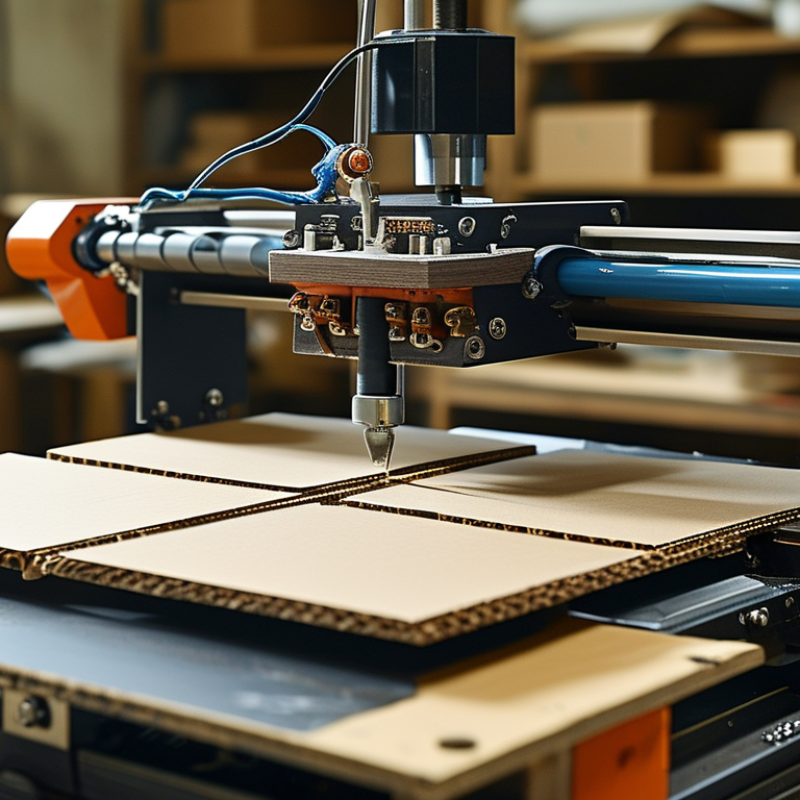
What Is a Die Cutting Machine?
A die cutting machine is industrial equipment that cuts, creases, or perforates materials with a shaped tool called a die. The die works like a precise metal template. It presses through paper, cardboard, foam, labels, thin plastics, or similar sheet materials.
Flatbed machines move a sheet beneath a fixed cutting form. Rotary machines use a cylindrical die and support continuous production from rolls. The best choice depends on material thickness, product size, order volume, and required accuracy. For example, a packaging operator may use a flatbed system for short runs and detailed prototypes. A rotary system can reduce handling during large orders.
It is not magic. The machine needs correct pressure, alignment, and die clearance. Too much pressure can damage the cutting board or deform the material. Too little pressure may leave unfinished edges. Experienced operators inspect the first samples under bright light, checking corners, crease depth, and waste removal. In practice, the first cut is rarely perfect. Humidity can also change paper behavior, which many buyers overlook. Regular cleaning, measured setup records, and suitable safety guards help maintain consistent results. Operators should follow the equipment manual and local workplace requirements, especially when changing dies or clearing scraps. A small error in setup can multiply across thousands of pieces. That uncomfortable fact is why production checks should remain part of the process, not an afterthought.
| Machine Type | How It Works | Common Materials | Typical Material Thickness | Typical Production Speed | Typical Cutting Accuracy | Best-Suited Applications | Main Business Advantage |
|---|---|---|---|---|---|---|---|
| Flatbed Die Cutting Machine | A flat cutting die presses vertically through sheet or web materials against a flat anvil. | Paper, paperboard, corrugated board, foam, rubber, gasket materials, felt and thin plastics. | Approximately 0.1–10 mm, depending on material hardness, die design and machine capacity. | Approximately 20–150 strokes per minute. | Usually about ±0.1–0.3 mm under stable operating conditions. | Cartons, labels, inserts, protective packaging, gaskets and short-to-medium production runs. | Versatile processing with relatively simple tooling and good control over irregular shapes. |
| Rotary Die Cutting Machine | A cylindrical die rotates continuously against an anvil while the material moves through the machine. | Paper, film, pressure-sensitive adhesive materials, foil, nonwoven materials, foam and thin laminates. | Approximately 0.05–3 mm, depending on the substrate and rotary tooling. | Approximately 30–300 m/min in converting applications. | Commonly about ±0.05–0.2 mm when web tension and registration are well controlled. | Labels, tapes, medical components, electronics films and high-volume roll-fed products. | High throughput and continuous operation can reduce unit cost for repeat orders. |
| Digital Die Cutting Machine | A computer-controlled blade, rotary knife or creasing tool cuts without a physical cutting die. | Paperboard, corrugated board, vinyl, films, textiles, foam and self-adhesive sheets. | Approximately 0.1–15 mm, depending on the cutting tool and material. | Typically 5–60 m/min, depending on design complexity and material. | Often about ±0.1–0.3 mm with calibrated equipment and suitable registration marks. | Prototypes, samples, customized packaging, short runs and frequent design changes. | Eliminates physical die-making and supports fast design changes with minimal setup waste. |
| Laser Die Cutting Machine | A focused laser beam removes or separates material along a programmed cutting path. | Paper, cardboard, wood veneer, textiles, films, acrylic and selected composite materials. | Commonly 0.05–10 mm, depending on laser power, material composition and required edge quality. | Approximately 1–50 m/min, depending on the pattern and cutting depth. | Often about ±0.05–0.2 mm under controlled conditions. | Intricate patterns, perforations, prototypes, decorative packaging and small-batch production. | Non-contact cutting enables fine details and eliminates mechanical cutting-tool wear. |
| Clicker Press | A hydraulic or mechanical press forces a shaped knife through a material stack. | Leather, rubber, foam, textiles, felt, cork and other flexible sheet materials. | Approximately 1–30 mm, depending on the press force and material structure. | Approximately 20–80 cutting cycles per minute. | Typically about ±0.2–0.5 mm. | Footwear parts, leather goods, upholstery components, seals and flexible-material products. | Suitable for thick or flexible materials and relatively simple repeat shapes. |
| Steel-Rule Die Cutting Machine | A custom die made from shaped steel rule cuts and may crease or perforate material in one operation. | Paperboard, corrugated board, foam, rubber, leather, felt and thin plastics. | Approximately 0.2–12 mm, depending on die height and press capacity. | Approximately 15–100 cycles per minute. | Usually about ±0.2–0.5 mm. | Packaging blanks, displays, gaskets, insulation parts and promotional products. | One tool can combine cutting, creasing and perforating for efficient repeat production. |
Note: Performance figures are typical industry ranges rather than guaranteed specifications. Actual results depend on material properties, product geometry, tooling quality, machine configuration, operator settings and production conditions.
 |

|
We're ready to help identify, size and spec your pumps, filters |