What is a Diaphragm Pump and How Does It Work?
A diaphragm pump is a versatile pumping device commonly used in various industries. It operates using a flexible diaphragm that creates a vacuum, drawing fluids in and pushing them out. This simple mechanism allows for efficient handling of different liquids and slurries.
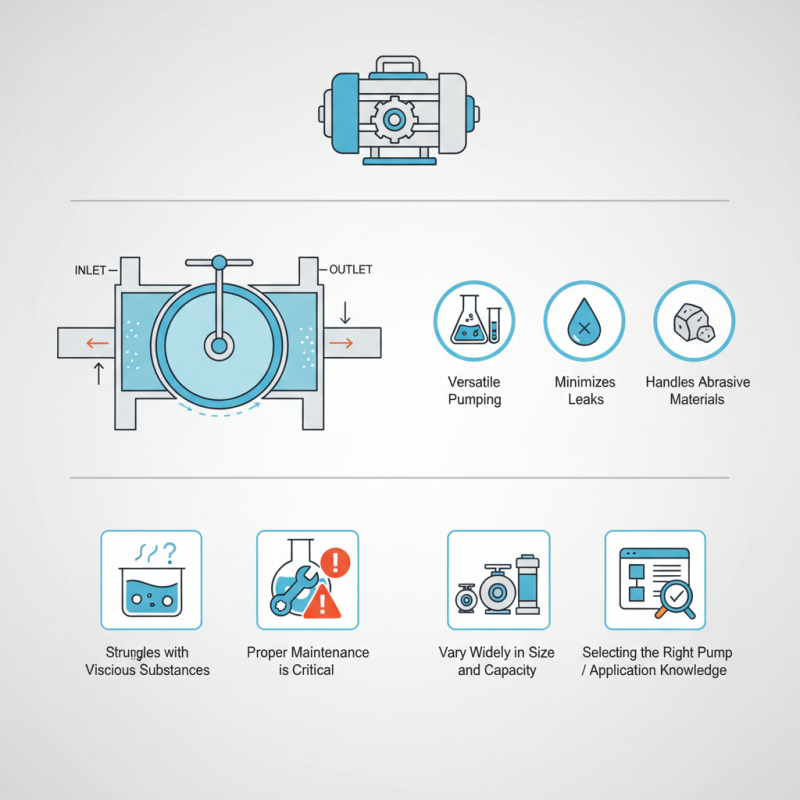
Understanding how a diaphragm pump operates is essential for maximizing its benefits. The design minimizes leaks and can handle abrasive materials. Yet, these pumps can struggle with certain viscous substances. Proper maintenance is critical to ensure reliability. Users must be aware of the limitations of the diaphragm pump. Inappropriate applications can lead to subpar performance.
Moreover, diaphragm pumps can vary widely in size and capacity. This creates a flexibility that is appealing to many. Still, selecting the right diaphragm pump requires careful consideration of specific needs. Knowledge of the application is vital for success.
What is a Diaphragm Pump?
A diaphragm pump is a unique device designed for moving fluids. It consists of a flexible membrane, or diaphragm, that creates a pumping action. When the diaphragm moves up and down, it creates a vacuum. This pulls liquid into the pump chamber. Then, as the diaphragm moves back down, it forces the fluid out. It’s simple but effective.
These pumps have various applications. Industries use them for transferring corrosive liquids, slurries, and gases. They can handle both high and low viscosity fluids. The design helps to prevent leaks. However, maintaining these pumps can be tricky. If not monitored, wear on the diaphragm can lead to failures. Sometimes, people overlook the need for regular inspection.
Diaphragm pumps are versatile yet imperfect. While they are excellent for specific tasks, they are not suitable for every application. Users should evaluate their needs carefully. Not all fluids can be effectively pumped this way. Understanding the limitations is essential. Always consider the specific requirements before choosing a pumping solution.
The Basic Components of a Diaphragm Pump
A diaphragm pump consists of several key components that work together to facilitate fluid movement. The primary element is the diaphragm itself, typically made from rubber or thermoplastic. This flexible material creates a barrier and moves back and forth to form a change in volume within the pump chamber. According to industry reports, diaphragm materials can affect pump performance and longevity. Proper selection is crucial.
Another critical component is the inlet and outlet valves. These valves control the flow of liquid in and out of the pump, ensuring efficient operation. A study by the Fluid Power Society indicated that appropriate valve sizing can enhance the pump's operational efficiency by up to 30%. However, improper valve installation can lead to leaks and reduced performance, which is still an area requiring more research.
The pump housing is equally important. It encases the diaphragm and other components while providing protection against environmental factors. The housing material—metal, plastic, or composite—can influence the pump's resistance to chemical exposure and wear. Industry data shows that over 40% of diaphragm pump failures stem from housing corrosion or damage. This raises concerns about material choices and maintenance practices, inviting further examination into ideal designs for specific applications.
What is a Diaphragm Pump and How Does It Work? - The Basic Components of a Diaphragm Pump
| Component |
Function |
Material |
Common Applications |
| Diaphragm |
Separates fluid from the pump mechanism |
Rubber, Teflon, or composite materials |
Chemical processing, food and beverage |
| Valves |
Regulate the flow of fluid into and out of the pump |
Stainless steel, plastic |
Water treatment, fuel transfer |
| Air Chamber |
Provides compression and assists in diaphragm movement |
Aluminum, steel |
Vacuum applications, industrial cleaning |
| Pump Body |
Holds all components together and channels fluid |
Cast iron, stainless steel |
Mining, wastewater management |
| Drive Mechanism |
Provides the force required to operate the diaphragm |
Electric motor, hydraulic system |
Pumping viscous fluids, air and gas transport |
How Does a Diaphragm Pump Work?
A diaphragm pump is a positive displacement pump. It uses a flexible diaphragm to move fluids. The diaphragm creates a temporary chamber that expands and contracts. This action draws in fluid and pushes it out. The design is simple but effective. It can handle a variety of liquids, including thick and viscous substances.
When the diaphragm moves down, it creates suction. This action draws the fluid into the chamber. When it moves up, it pushes the fluid out. This continuous motion allows for an efficient transfer of liquids. The diaphragm is typically made from rubber or plastic, ensuring durability and compatibility with different fluids.
One common challenge with diaphragm pumps is maintenance. If not maintained properly, the diaphragm can wear out over time. This leads to leaks or reduced efficiency. Regular inspections are crucial. It's easy to overlook this aspect, yet it's vital for performance. Taking the time to check seals and connections can prevent larger issues later. With a little care, diaphragm pumps can be reliable and effective solutions.
Applications of Diaphragm Pumps in Various Industries
Diaphragm pumps find wide applications across various industries due to their unique design and functionality. They are commonly used in chemical processing, food and beverage, and wastewater treatment. These pumps are ideal for handling viscous fluids and slurries, making them a preferred choice in many settings.
In the chemical industry, diaphragm pumps safely transfer corrosive substances without leakage. They provide a reliable solution for pumping hazardous materials, ensuring safety and efficiency during operations. In food and beverage settings, these pumps maintain hygiene by preventing contamination. They handle both thin and thick liquids, such as syrups and purees.
**Tip:** Always consider the material compatibility when selecting a diaphragm pump.
In wastewater treatment, diaphragm pumps are critical for moving sludge and grit. Their ability to handle solids is essential to keep treatment processes efficient. Interestingly, while diaphragm pumps are durable, they can experience wear over time. Users often overlook maintenance, leading to reduced performance in the long run.
**Tip:** Set a regular maintenance schedule to enhance pump longevity.
Overall, diaphragm pumps are versatile tools. However, operators should reflect on their specific needs before the selection process. Each application requires careful attention to detail to ensure optimal performance.
Applications of Diaphragm Pumps in Various Industries
Advantages and Disadvantages of Using Diaphragm Pumps
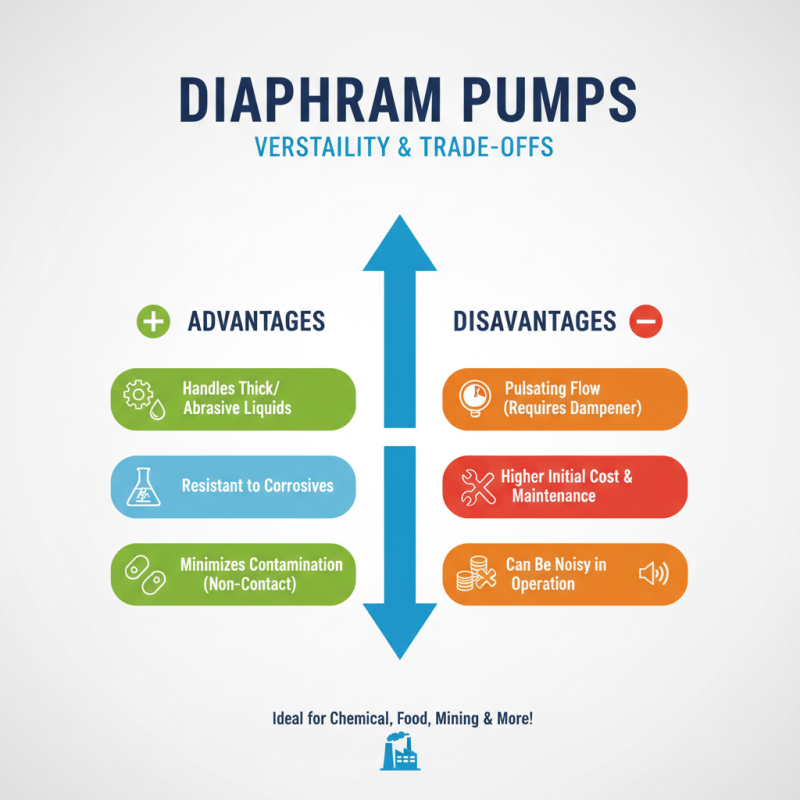
Diaphragm pumps are popular in various industries for their versatility. However, they come with both advantages and disadvantages. On the plus side, these pumps provide a reliable solution for moving thick or abrasive liquids. They can handle a wide range of fluids, including slurries and corrosive substances. The design often includes non-contact parts, which minimizes contamination.
On the downside, diaphragm pumps have limitations. Their efficiency can decrease with higher flow rates. Noise levels may be a concern in sensitive environments. Regular maintenance is necessary, which can be time-consuming. Some users also report difficulties in achieving precise flow rates. Poorly maintained pumps might lead to unexpected downtime, affecting productivity.
Overall, choosing a diaphragm pump involves weighing these pros and cons. While they offer durability and versatility, the maintenance demands can be a hurdle. Users need to evaluate their specific needs and ensure selection aligns with their operational goals.