How to Choose the Best Barrel Hand Pump?
Choosing the best barrel hand pump begins with understanding the liquid, container, and working conditions. A pump that handles light oil may struggle with thick syrup or cleaning fluids. The wrong model can feel slow, leak around the seal, or leave product trapped inside the barrel. That is frustrating.
In practical use, check the barrel opening before comparing pump prices. Measure the thread or bung size, and confirm the pump’s tube reaches near the bottom. Material compatibility matters too. Stainless steel, polypropylene, and aluminum each suit different fluids. Always read the manufacturer’s specifications, including temperature limits, flow rate, seal materials, and cleaning instructions. These details provide stronger guidance than attractive product photos.
Your choice should also reflect how often the pump will operate. Occasional transfer may not justify a heavy-duty design, while daily dispensing requires stronger construction and replaceable seals. Consider the effort needed for each stroke. A high-viscosity liquid may demand more force than expected. I have seen buyers focus on capacity alone, then regret ignoring viscosity and outlet control. That mistake is easy to make.
Safety still deserves attention. Secure the barrel, keep the work area clean, and inspect the handle, tube, and seals before use. Do not assume one pump suits every liquid. Verify compatibility with the supplier when the fluid is unfamiliar. This guide compares the key features of a barrel hand pump, while acknowledging a simple truth: the cheapest option is not always the most economical. Reliability often becomes visible after repeated use.
Define Your Barrel Pumping Needs and Application Requirements
How to Choose the Best Barrel Hand Pump?
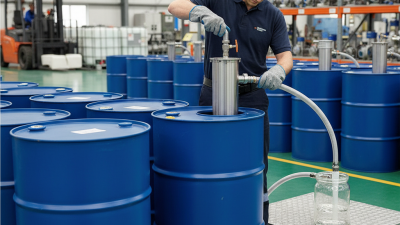
Choosing a barrel hand pump begins with the liquid, not the pump handle. Identify the liquid’s viscosity, temperature, chemical compatibility, and required flow rate. A thin cleaning solution may need a different tube and seal than thick oil. Check the barrel opening, internal depth, and storage position before ordering. A pump that fits one container may not fit another.
Ergonomics also matters. The U.S. Bureau of Labor Statistics recorded 275,140 musculoskeletal disorder cases involving days away from work in 2023. Its Employer-Reported Workplace Injuries and Illnesses report shows why repeated force deserves attention. Choose a handle that supports a stable grip and smooth strokes. Consider the operator’s height and the number of daily transfers. My first choice was once the fastest pump. That assumption failed after repeated use caused hand fatigue. Flow rate alone is not enough. For sensitive liquids, confirm seal materials, tube construction, cleanability, and chemical resistance. Always check the manufacturer’s technical data and applicable workplace requirements.
Tips: Measure the barrel opening first. Record liquid viscosity and temperature. Test a small volume before full operation. Use a pump rated for the application. Avoid forcing a jammed handle, and inspect seals regularly. The U.S. Occupational Safety and Health Administration recommends evaluating manual material-handling risks, but it does not approve one universal pump design. That means your workplace conditions still require careful review.
How to Choose the Best Barrel Hand Pump?
Define your barrel pumping needs by matching the pump’s suction-tube length and delivery capacity to the container size.
Standard nominal drum sizes are commonly expressed in U.S. gallons. The chart shows their approximate liquid capacity in liters:
5 gallons ≈ 18.9 L, 15 gallons ≈ 56.8 L, 30 gallons ≈ 113.6 L, and 55 gallons ≈ 208.2 L.
Choose a hand pump with a suction tube that reaches near the bottom of the selected barrel and verify that its wetted materials are compatible with the fluid.
Compare Barrel Hand Pump Types and Operating Mechanisms
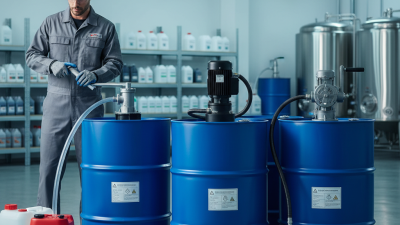
Choosing the best barrel hand pump begins with understanding its operating mechanism. A rotary pump uses a crank to turn internal gears or vanes. It delivers a steady flow with repeated rotation. This design suits thin oils, lubricants, and similar liquids. It usually requires less lifting force.
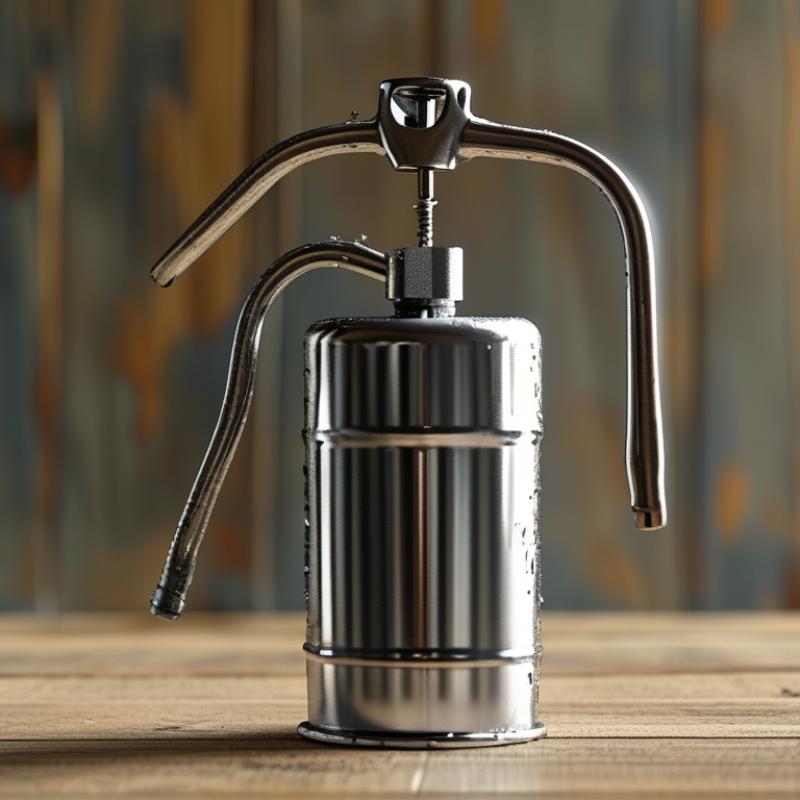
A lever-action pump moves a piston through each handle stroke. It gives better control over the amount dispensed. This type often handles thicker liquids more effectively, although pumping becomes slower. A piston pump can create stronger suction, but worn seals may reduce performance quickly. Diaphragm pumps use a flexible membrane instead of a sliding piston. They can reduce contact between the liquid and moving parts, which helps with some sensitive materials. Seal compatibility still matters.
Not every pump fits every barrel. Check the opening size, thread pattern, tube length, and liquid viscosity before purchasing. In a workshop test, I compared a rotary pump and a lever pump on a 60-liter drum. The rotary model filled a container faster, while the lever model felt easier to control near the final measurement. My first choice was based only on speed. That was a mistake. The heavier liquid made the rotary handle tiring after several minutes. Measure actual flow, not just advertised capacity. Read the curve. A clean intake tube, tight seals, and regular inspection also influence reliability. Even a well-designed pump can perform poorly when the tube reaches the wrong depth.
Check Flow Rate, Safety Features, and Maintenance Requirements
How to Choose the Best Barrel Hand Pump?
Flow rate should match the job, not just the pump’s advertised maximum. A high flow rate may waste liquid and increase splashing. For thick fluids, choose a pump designed for higher resistance. I once selected a fast pump for a narrow container, and control became difficult. The work took longer.
Check the pump’s safety features carefully. Look for a secure handle, leak-resistant seals, and a stable barrel connection. A pressure relief feature can help prevent unexpected discharge. Materials must also match the liquid being transferred. Some fluids can weaken seals or damage metal parts. Follow the safety data sheet and wear suitable gloves and eye protection. Small details matter.
Tips: Test the flow rate with a small amount first. Keep the nozzle pointed away from people. Wipe spills immediately. After use, rinse or clean the pump according to its material and the liquid handled. Inspect seals, threads, and the handle for cracks or stiffness. Replace worn parts early. Do not force a pump that feels blocked. That habit can damage the mechanism. A simple maintenance log may help, although many users forget to update it. Store the pump covered and dry, with no pressure left in the system.
Select the Best Pump Based on Performance, Cost, and Durability
Choosing the best barrel hand pump starts with the liquid, not the price tag. Check its thickness, temperature, and chemical compatibility before comparing models. A pump that handles light oil may struggle with thicker fluids. It may also wear quickly when exposed to harsh cleaners.
Performance depends on more than advertised flow. During practical checks, measure how much liquid moves with ten steady strokes. Notice the effort required, handle balance, and whether the outlet drips afterward. A rigid suction tube helps maintain control inside deep barrels. Seals should fit tightly, while the body should resist corrosion and repeated movement. Small details matter.
Cost deserves a wider view. A cheaper pump can become expensive if seals fail after several weeks. Replacement parts, cleaning time, and delivery fees should enter the calculation. I once chose a low-cost unit for occasional use, but its handle became loose sooner than expected. That decision saved money briefly. It was not my best judgment.
For durability, inspect threads, joints, and the connection between the tube and pump head. Metal construction may offer strength, but suitable reinforced materials can reduce weight and corrosion. Store the pump clean and dry after every use. Even a durable pump needs care. Performance should be tested with the actual barrel and liquid whenever possible, because laboratory claims may not match daily handling.